
Product Selection
Cassava vs Tofu Cat Litter: A Private Label Buyer’s Guide
Compare cassava and tofu cat litter for a private label range. Assess granule format, cleaning, packaging and commercial fit before choosing your formula.
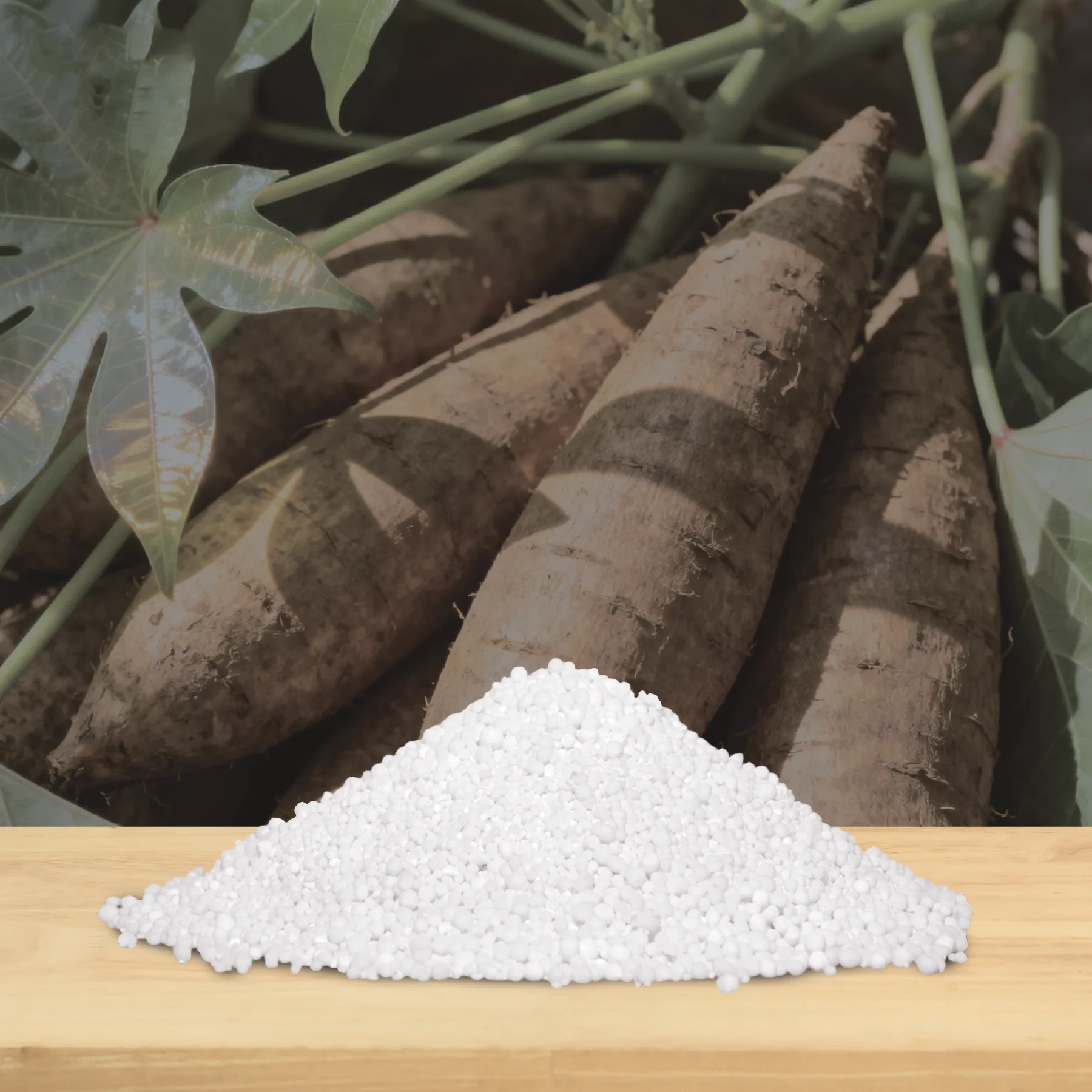
For buyers comparing cassava vs tofu cat litter, the useful question is which finished product best fits the planned range. Both appear in CleanPaw Island’s plant-based portfolio, but the material name does not establish a universal winner for clumping, dust, price or customer acceptance. Compare the proposed formulas under the same conditions and against the same commercial brief.
Choose between cassava and tofu litter by reviewing five connected decisions: material identity, granule format, cleaning performance, packaging and the role of the SKU in your range. Keep the evaluation focused on actual samples and quoted packs, rather than broad claims about either category.
Cassava vs tofu cat litter at a glance
CleanPaw Island describes its tofu cat litter around a soybean-fibre base and its cassava cat litter around cassava starch and plant fibre. Each line has options that need confirmation during sampling. A comparison should identify the exact formula versions being considered.
| Buying question | Tofu direction to review | Cassava direction to review |
|---|---|---|
| Material story | Soybean-fibre base and confirmed additions | Cassava base and confirmed additions |
| Product appearance | Pellet or crushed format; natural or colour options | Proposed granule structure and appearance |
| Cleaning experience | Sifting, clump removal and remaining loose material | The same checks using the same method |
| Range role | Core product or a distinct granule-format option | An additional material choice or a separate product tier |
| Packaging | Actual fill, bag dimensions and carton plan | Actual fill, bag dimensions and carton plan |
| Purchase decision | Approved sample plus delivered commercial offer | Approved sample plus delivered commercial offer |
The table is a comparison framework; individual formulas vary within each category.
Begin with the gap in your product range
An importer expanding an established tofu range may evaluate cassava as a separate material choice. A brand launching its first litter product may compare both as candidates for one core SKU. These are different decisions: range expansion needs a clear reason for customers to choose the additional product, while a first launch needs a product the team can explain and replenish consistently.
Write a short role statement for each candidate. For example, “a pellet-format core product” and “a fine-granule alternative” describe intended positions without claiming that either is better. Then confirm that the actual samples support those descriptions.
Avoid deciding the retail tier from the ingredient name alone. Packaging, customer experience, quoted cost and the evidence behind product claims all contribute to the offer. A more expensive formula only makes commercial sense if its role is clear to the buyer and the eventual customer.
Compare the complete cleaning process
Ask the supplier for enough material to repeat the same observations. Record the sample code, tray, fill depth, liquid quantity, waiting time and scoop used. A sample that performs well under one demonstration method may receive a different assessment when the method changes, so consistency matters.
Review the sequence from pouring through to disposal of the collected clump. Observe visible dust while filling, granule movement during sifting, clump integrity when lifted and the loose material left behind. Keep observations separate: an attractive granule colour does not answer a question about clump strength.
Use the sample testing checklist to organise the comparison. If one sample needs revision, change a defined variable and preserve the original as a reference. This makes the next evaluation a useful development step rather than a fresh comparison with no baseline.
Compare pack economics using a common basis
A price per bag is incomplete when the two proposals use different weights or volumes. Record the net content, filled bag dimensions, gross carton weight and number of saleable units. Ask for quotations on the same delivery basis and with the same packaging scope.
You may need two views of the comparison: the cost of supplying each retail unit and the cost of placing the planned shipment in your warehouse. Neither view should rely on an assumed weight-to-volume conversion. Use the proposed formula’s confirmed fill data and the actual carton plan.
Also consider whether introducing a second material changes your operating work. Separate artwork, warehouse locations, product-page explanations and reorder quantities are part of managing a range. A new SKU should have a purpose strong enough to justify that work.
Keep the customer promise specific
Describe the verified material and granule format clearly. Build claims about clumping, dust or odour control around the evidence for the selected formula and agreed test method. A plant-based description does not, by itself, establish a disposal instruction, a health benefit or compatibility with a particular automatic litter box.
For brands selling through several countries, include disposal wording in the packaging review. For brands selling alongside a device, identify the model and follow its material requirements. These decisions apply to both cassava and tofu and belong in the final product brief.
Buyer questions about cassava and tofu litter
Is cassava cat litter better than tofu cat litter?
There is no useful category-wide answer for a procurement decision. Compare the finished formulas against the same requirements for cleaning, pack presentation and delivered cost. Cassava may fill a particular gap in one range, while a tofu format may fit another. The approved samples should support that choice.
Can a brand launch both materials together?
Yes, both can be discussed within a private-label range, but give each SKU a clear role. Confirm separate sample references, packaging, order quantities and customer-facing descriptions. If the products are difficult to distinguish in a brief, resolve the positioning before committing to two sets of inventory.
How should we request a comparison sample set?
State that the purpose is a cassava-versus-tofu comparison and provide your target channel, desired pack and cleaning priorities. Request identified samples and relevant specification information for each. Explain any fixed requirements, such as a selected scoop or device, so the supplier can propose suitable candidates for evaluation.
Build your comparison brief
Choose the criteria that will decide the purchase before reviewing samples. Contact CleanPaw Island with your intended range position, packaging requirements and destination to discuss cassava and tofu options through the OEM/ODM development service.