Quality & Sampling
Cat Litter Sample Testing: A Checklist for Wholesale Buyers
Compare cat litter samples with a practical buyer checklist covering clumping, dust observations, packaging and clear records for private label approval.
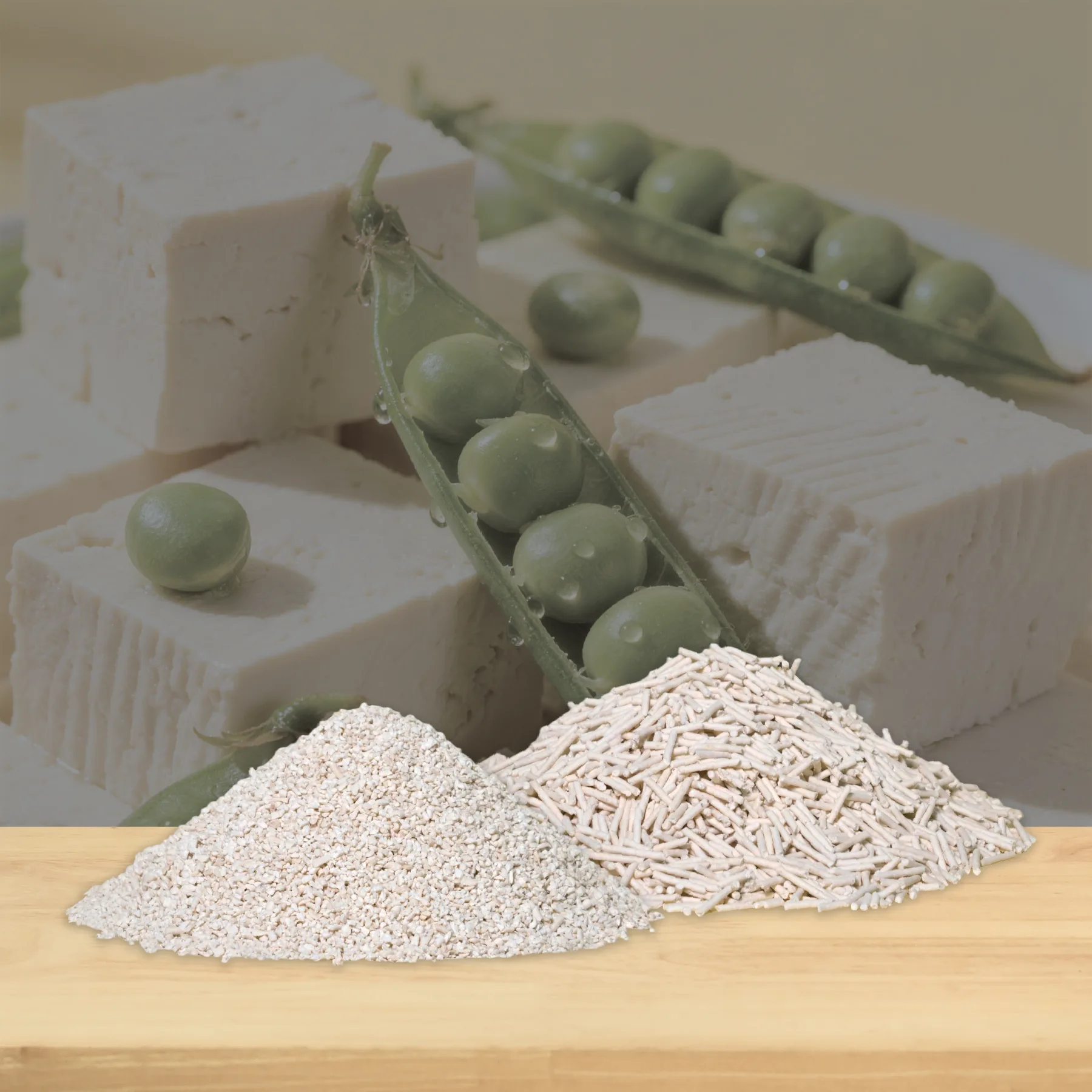
A useful cat litter sample testing checklist helps wholesale buyers compare products on the same basis. It should capture the sample identity, preparation conditions, pouring experience, clumping observations and finished packaging. The goal is to turn “we prefer this sample” into requirements that a manufacturer can understand and repeat.
Use a shared procedure, record observations separately from marketing claims, and keep an approved reference sample. The steps below are a suggested commercial comparison process, not a certified test standard or evidence that any particular product meets a performance claim.
Give every sample an identity
Before opening a bag, photograph its label and packaging. Record the supplier, product code, formula version, date received and any batch information provided. Note whether the sample arrived in proposed retail packaging or a temporary sample bag; those packs cannot answer the same packaging questions.
For a mixed cat litter formula, ask for the agreed ingredient description and blend identification. For a scented product, record the exact scent version. Similar-looking samples may represent different development rounds, and an unlabelled bag can create confusion when you send feedback weeks later.
Set aside material for a repeat comparison rather than using everything in the first demonstration. If shipping damage or an opened seal may have affected the sample, document that before evaluating the contents.
Make the comparison repeatable
Use the same tray, scoop, preparation approach and liquid application method for each candidate. Agree the litter depth, liquid type and amount, waiting intervals and scooping action before starting. Record these settings alongside the observations so another person can follow the same procedure.
Repeat the comparison under the same conditions before deciding that a small difference is meaningful. NIST’s guidance on measurement repeatability explains why a shared procedure, observer, instrument and conditions matter. That principle supports consistent comparisons; it does not make this buyer checklist a formal NIST test.
If a supplier provides a performance figure, request its method before comparing it with your own result. Two numbers measured differently may describe different things. A plain-water demonstration, for example, should be recorded as that demonstration rather than presented as proof of every household use condition.
Observe what happens during use
Pouring and loose material
Pour samples consistently and describe what you can actually see: airborne material, residue on the tray edge, broken granules or uneven distribution. Keep the camera angle, lighting and background similar if using video. A video can support a discussion about visible dust, but it does not establish a numerical dust percentage.
Inspect the sample before and after handling. This helps distinguish what was already in the bag from material generated during your comparison. If dust is a purchase criterion, agree an appropriate quantitative method and reporting basis with the supplier or laboratory.
Clump formation and removal
Observe how the wetted area develops, then scoop at the agreed intervals. Record whether the clump lifts together, breaks during removal, adheres to the tray or leaves small fragments behind. Photograph the tray after scooping as well as the lifted clump; both views help explain the result.
Keep granule format in the record. Comparing long pellets with fine granules may involve different scooping behaviour, so use equipment appropriate to the intended customer experience. If the target includes automated equipment, use the separate automatic litter box evaluation guide.
Fragrance and odour claims
Record fragrance preference as a subjective observation. Avoid treating a pleasant scent as a measurement of odour control. When an odour claim is central to the product brief, agree the test design, comparison basis and required evidence before approving the wording.
Check the bag as well as the litter
Use a filled sample of the proposed retail bag to review opening, pouring, resealing and shelf presentation. Check the seal area, print legibility, label version and identification marks. Photograph the pack upright and after handling so comments can identify a specific area.
Confirm the stated net contents separately from the total packed weight. If volume is used, agree the filling and measurement approach rather than assuming a mass-to-volume conversion. Send observations on bag size, closure and carton fit into the private label packaging review before artwork is finalised.
Turn observations into an approval record
A short results sheet is more useful than an unstructured message thread. Use one row per sample and retain the supporting photos with the same code.
| Record field | What to enter |
|---|---|
| Sample identity | Product code, version, batch reference and receipt date |
| Procedure | Tray, fill level, liquid, waiting intervals and scoop |
| Observations | Pouring, clump removal, residue and packaging findings |
| Decision | Accept, revise or repeat; identify the exact requested change |
| Reference | Approved sample code, specification version and approval date |
Agree the acceptance criteria before evaluating production material. A preferred development sample is a reference point; it is not a substitute for deciding how a shipment will be checked. Where independent testing is required, choose a laboratory competent for the specific work and review its scope. ISO/IEC 17025 concerns testing and calibration laboratory competence, not a universal cat litter pass mark.
Sample testing questions
How many samples should I request?
Request enough distinct candidates to answer a defined buying question, plus sufficient material for repeat checks and a retained reference. Ask the supplier to recommend quantities around your procedure. Comparing many fragrances before selecting the base formula can make results harder to interpret and feedback less focused.
Can a video demonstration replace a sample review?
A video can show the setup and make a discussion more specific, especially when both parties use the same method. It cannot let your team inspect the bag, handle the granules or confirm how the sample performs in your intended setting. Treat it as supporting evidence within the review.
Arrange samples around your buying decision
A clear cat litter sample testing checklist connects product development to order approval. Contact CleanPaw Island with the formula options you want to compare, the target market and the observations most important to your brand, so the sample request starts with a useful brief.