Packaging & Logistics
Private Label Cat Litter Packaging: A Buyer’s Checklist
Plan private label cat litter packaging with a practical checklist for pack size, artwork, barcodes, seals and cartons before approving your first order.
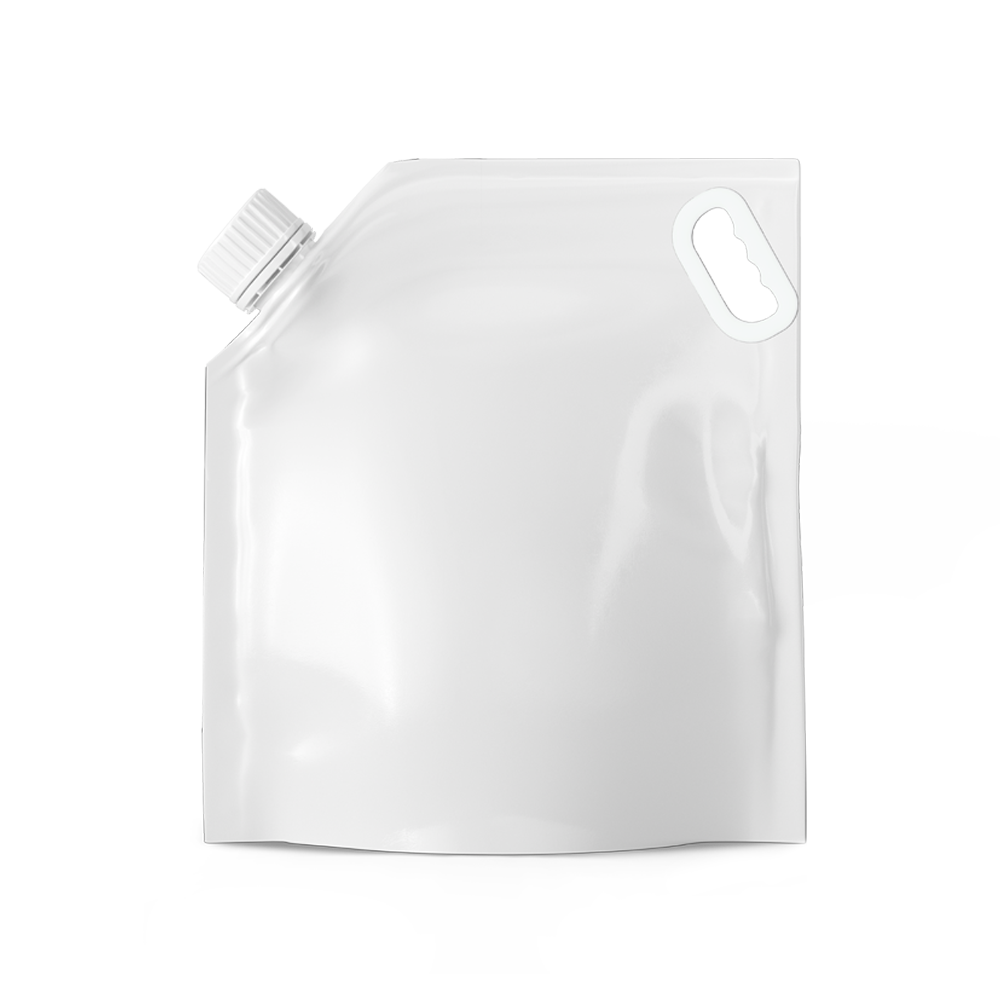
Private label cat litter packaging needs to do several jobs: identify the product, protect it through handling, explain how to use it and fit your distribution channel. For pet brands and importers, the useful starting point is a filled packaging sample with an agreed specification. A flat artwork file cannot show whether the bag stands properly, pours cleanly or fits its shipping carton.
Before approving a pack, confirm the formula, declared quantity, bag construction, artwork, barcode and outer carton together. This checklist helps you turn a design idea into a packaging brief that a manufacturer and warehouse can both use.
Start with the product and sales channel
Decide whether the pack is intended for a pet shop shelf, a distributor’s warehouse or individual parcel delivery. Then identify the exact formula it will contain. A pouch selected for one particle format should be reviewed again when the contents change, even if the branding stays the same.
When discussing packaging for tofu cat litter, decide whether the pack will declare its net contents by weight or volume. These are separate declarations, not interchangeable quantities. Ask for the filled weight, dimensions and proposed declaration for your chosen formula; do not infer kilograms from a litre figure without product-specific information.
Prepare a simple SKU list before requesting artwork. Record the product name, formula reference, fragrance, pack quantity, destination and sales channel on each row. This avoids designing one generic bag and discovering later that different variants need different copy, identifiers or carton arrangements.
Choose a format you can evaluate in person
Our OEM/ODM packaging options provide starting points for discussing pouches, handled packs, vacuum formats and other constructions. The final choice depends on the filling and sealing process, presentation and handling requirements. Request the material structure, dimensions and closure details alongside the visual mock-up.
Use a filled sample to answer practical questions:
- Can a customer lift the intended fill quantity comfortably using the proposed handle?
- Does the opening allow controlled pouring with the selected granules?
- If a reclosure is specified, does it work after repeated opening and closing?
- Are seals consistent, with no visible trapped material or leakage?
- Does the pack retain a usable shape inside the agreed outer carton?
Agree the checks with the supplier and record what passes. A handle or zipper shown in a reference image should not become an assumed feature of the purchase order.
Build the artwork around confirmed information
Keep one approved copy sheet separate from the graphic design. It should contain the product name, declared quantity, ingredient description, usage instructions, storage guidance, batch-code area and business contact details. Have the responsible reviewer check destination-specific wording before printing.
Match every performance statement to the selected product and available evidence. For example, approval of a tofu formula does not establish the same claims for a mixed formula. Likewise, the appearance of a paper outer layer alone is insufficient evidence for a whole-package recycling or composting claim.
Mark the dieline clearly: front, back, side panels, seal areas, folds, handle position and printable area. Review the design at actual size as well as on screen. Small text that seems readable in an enlarged PDF may be difficult to use on the finished bag.
Confirm barcode identity and placement
Assign the correct product identifier before final artwork approval. GS1 explains that barcode selection, size and placement depend on the scanning environment, and advises avoiding locations where folds or other packaging can obscure the symbol. Discuss the intended retail and warehouse use with your printer and barcode provider. See GS1’s barcode implementation guide.
Treat a pack-size change as an identification review, not just a graphic edit. Under GS1’s rules, a change to the legally required declared net content printed on the pack requires a new GTIN. Check the affected retail item and packaging hierarchy using GS1’s declared net content guidance.
Request barcode verification on the printed material. A successful scan of an on-screen proof does not establish the quality of the production print.
Approve the carton as part of the same project
The retail bag and shipping carton need a shared specification. Record bags per carton, carton dimensions, gross weight, closure method and shipping marks. If pallets are required, confirm the proposed arrangement with the receiving warehouse before the order is released.
Use this approval record for each SKU:
| Approval item | Detail to record |
|---|---|
| Product | Formula and sample reference |
| Retail pack | Declared quantity, material and dimensions |
| Artwork | Filename, version and approval date |
| Identification | Retail barcode and carton marking reference |
| Carton | Pack count, dimensions and gross weight |
| Review | Filled sample result and named approver |
For a broader product evaluation, pair this record with the cat litter sample testing checklist. Keep a retained approved pack so later reorders have a physical reference.
Packaging questions from private label buyers
Can I finalise the bag before choosing the formula?
You can develop a visual concept early, but confirm the formula before signing off the filled pack and product copy. Granule format, fill quantity and handling may affect the packaging discussion. Ask the supplier which decisions can proceed in parallel and which need an approved sample first.
Can the same artwork cover every fragrance?
A shared design system can keep a range consistent, but each variant still needs a controlled copy and identifier review. Confirm the product name, fragrance wording, quantity and barcode for every SKU. Keep separate approved files so a later correction to one variant does not accidentally alter another.
Send a packaging brief for your cat litter range
Share your formula direction, target country, pack quantity, preferred format and artwork status with the CleanPaw Island team. We can use that brief to discuss suitable packaging options and the sample approvals needed before your private label cat litter packaging moves into production.