OEM & Sourcing
How to Choose a Private Label Cat Litter Manufacturer
Choose a private label cat litter manufacturer with a practical guide to supplier evaluation, formula approval, quality records and a clear first-order brief.
Choosing a private label cat litter manufacturer means finding a partner who can turn your product brief into repeatable orders. For pet brands, importers and distributors, the strongest comparison combines formula suitability, documented quality checks, packaging execution and clear commercial terms. A price per bag is useful only after those details match.
Start with one defined product, compare samples using the same method, and approve a written specification before placing the production order. This approach gives competing quotations a common basis and gives your supplier a clear target for the next batch.
Define the product before comparing manufacturers
An enquiry for “premium natural cat litter” leaves too many decisions open. Describe the customer, channel and experience you want to sell: an everyday unscented product for pet stores, a distinctive botanical blend, or a compact pack for online replenishment. Then identify which features matter most to that use.
A first brief should include the material direction, particle format, fragrance preference, pack size, destination and forecast quantity. If you are considering tofu cat litter, ask to compare relevant granule options rather than requesting every scent and colour at once. Keep a record of which choices are essential and which remain flexible.
For example, a retailer launching an unscented line may prioritise the pouring experience and a resealable bag. A distributor replacing an existing product may prioritise matching its current pack dimensions and scooping behaviour. These are different briefs, even if both request tofu litter.
Establish who makes and supplies your order
Confirm the legal entity on the quotation, manufacturing location, order contact and intended invoicing party. Ask which production and packaging stages are handled by the factory and which involve outside suppliers. A factory visit or live walkthrough can help you connect the company profile with the proposed production arrangement.
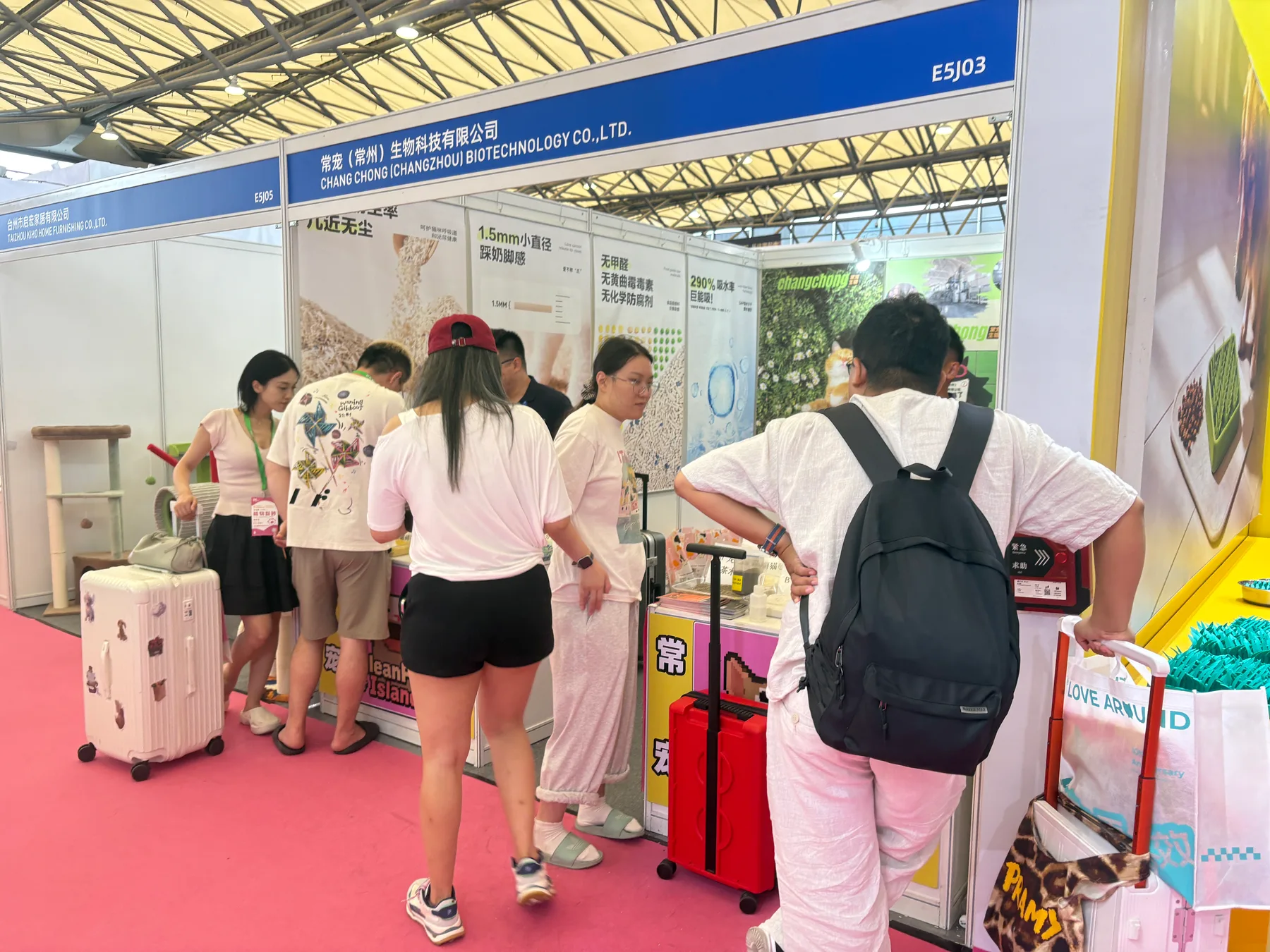
Chang Chong (Changzhou) Biotechnology Co., Ltd., the company behind CleanPaw Island, is based in Henglin Town, Changzhou, Jiangsu Province. Our range covers tofu, cassava and mixed cat litter, with OEM/ODM discussions covering product options, private label packaging and order preparation.
Factory size alone does not define project fit. Ask how the manufacturer will handle your particular formula, number of variants, packaging purchases and repeat orders. A useful answer describes a process and the records available for review.
Separate factory credentials from product evidence
Review a quality certificate by checking the named company, certified site, scope, issuing body and dates. IAF CertSearch’s verification guide explains how certificate records can show certification status. If a record is unavailable, follow up with the issuer rather than drawing a conclusion from the search alone.
ISO 9001 concerns quality management systems. It does not by itself establish the performance of a particular cat litter formula. For documents citing ISO 9001:2015, consult the issuer about current certificate status and transition arrangements; ISO’s standard page identifies the edition and its replacement.
For the product itself, request the specification and supporting information relevant to the claims you plan to use. The evidence for clumping performance, dust or an ingredient statement should connect to the selected formula and a defined method. Agree which records accompany each shipment and which are available on request.
Make sample approval usable in production
A sample can look attractive and still leave the bulk-order requirements unclear. Give every sample a code, note its formula version and compare it against your intended product brief. Use the cat litter sample testing checklist to structure observations that the supplier can reproduce.
Convert the approved sample into a specification containing the agreed material description, particle format, fragrance, appearance, packaging and inspection criteria. Where a measurable limit matters, agree both the limit and how it will be measured. Keep an identified reference sample with each party under suitable storage conditions.
Separate product approval from artwork approval. A product may be ready while a label translation or barcode still needs revision. Record both decisions so an email saying “approved” cannot accidentally release the wrong version.
Compare the complete offer
Use a quotation comparison sheet with the same product and packaging assumptions in every column. Review what is included in the price, the delivery term and named place, payment schedule, sample costs, packaging setup, inspection arrangements and proposed timing. Our MOQ, lead time and cost guide explains the questions behind those figures.
Ask how changes will be handled after approval. A different fragrance, bag supplier or blend component may require a revised sample, artwork or schedule. Agree who authorises changes and how the revision will be identified on the order.
Before release, assign responsibility for the final inspection, shipment documents and dispatch confirmation. Also agree how to report a concern after arrival: the batch reference, photographs, retained samples and response contact should be easy to locate.
Questions buyers ask
Should I begin with a standard formula or a custom formula?
A standard formula is a useful starting point when it already matches your target customer and price position. Custom development makes sense when you can name the change you need. Compare the commercial effect of that change, including sampling, packaging and order quantities, before choosing the route.
Can one manufacturer supply several private label variants?
Discuss each proposed variant as a separate specification, even when the products share a base formula. Confirm how quantities, packaging and production scheduling apply across the range. Beginning with a focused assortment can make approval easier; additional variants can follow once the first product requirements are clear.
Start a focused supplier conversation
The right private label cat litter manufacturer should be able to discuss your brief in specific, reviewable terms. Send CleanPaw Island your sourcing requirements, including destination, preferred formula, pack format, expected quantity and launch timing, so the team can propose a relevant next step.